


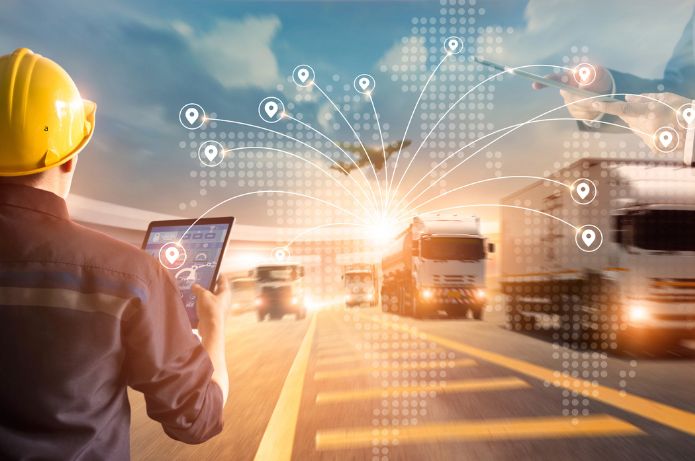
The logistics industry in Brazil is undergoing a significant transformation with the emergence and increasing adoption of digital logistics platforms.These technological solutions are revolutionizing the way companies manage their transportation, storage and distribution operations, bringing efficiency, transparency and cost savings to the entire supply chain.
Brazilian digital logistics platforms have emerged as a response to the unique challenges faced by the sector in the country. With a continental territorial extension, often deficient transport infrastructure and considerable regulatory complexity, Brazil presents a challenging logistics scenario.
One of the main advantages of these platforms is the ability to directly connect shippers and transporters. This eliminates intermediaries, reduces costs and increases operational efficiency. Platforms such as CargoX, often called the“Uber of”, allow companies to find truckers available to perform freight, optimizing routes and reducing vehicle downtime.
Another area of focus of Brazilian digital logistics platforms is warehouse management. Companies such as Logcomex offer solutions that enable efficient inventory management, storage space optimization and automation of picking and packaging processes. This is particularly relevant in the context of the growth of e-commerce in Brazil, which demands increasingly agile and accurate fulfillment operations.
Real-time traceability is another crucial feature offered by many of these platforms. Companies like Intelipost provide tools that enable detailed tracking of shipments from the moment they leave the warehouse to final delivery to the customer.This not only improves the customer experience, but also allows companies to identify and resolve issues quickly.
Digital logistics platforms are also addressing the last mile challenge, one of the most complex and expensive aspects of logistics in Brazil. Startups like Loggi are utilizing advanced algorithms and a network of flexible delivery people to optimize urban deliveries, reducing costs and improving delivery times.
Integration with enterprise management systems (ERP) and e-commerce platforms is another important feature of these solutions. Platforms such as Shipay offer plug-and-play integrations that allow companies of all sizes to automate their logistics processes without the need for large IT investments.
The use of artificial intelligence and machine learning is increasingly common on these platforms.These technologies are used to predict demands, optimize routes, anticipate supply chain bottlenecks and even predict the likelihood of delays or damage to deliveries.
An important aspect to consider is the focus of these platforms on sustainability. Many are developing resources to optimize routes and reduce carbon emissions, aligning with growing environmental concerns and increasingly stringent regulations.
The financial sector is also being integrated into these logistics platforms.Some solutions offer digital payment options and even credit services to shippers, helping to solve cash flow problems that are common in the industry.
Despite significant advances, the digital logistics sector in Brazil still faces challenges. The adoption of these technologies by small and medium-sized companies is still limited, often due to lack of knowledge or resources.In addition, infrastructure issues, such as limited internet coverage in some regions, can impact the effectiveness of these solutions.
The future of digital logistics platforms in Brazil looks promising. With the continued growth of e-commerce and the growing need for logistics efficiency, these solutions are expected to become increasingly sophisticated and comprehensive.The integration of emerging technologies such as blockchain to improve transparency and security, and the use of autonomous vehicles for deliveries, are some of the trends we can expect to see in the near future.
In conclusion, digital logistics platforms are transforming the Brazilian logistics landscape, offering innovative solutions to historical challenges in the sector. As these platforms continue to evolve and adapt to the specific needs of the Brazilian market, they have the potential to significantly boost the efficiency and competitiveness of the logistics sector in the country.


 Português do Brasil
  English
  Español
  Deutsch
  香港中文
香港中文  Русский
  हिन्दी
  Français
  Italiano
  日本語
日本語  العربية
  繁體中文
繁體中文  বাংলা
বাংলা  Български
  Čeština
  Dansk
Dansk  Ελληνικά
  Suomi
Suomi  Hrvatski
  Magyar
  Bahasa Indonesia
  한국어
한국어  Lietuvių kalba
  Nederlands
  Norsk bokmål
  Polski
  Português de Angola
  Português
  Română
  Slovenčina
  Slovenščina
  Svenska
  ไทย
ไทย  Türkçe
  Українська
  Tiếng Việt
  简体中文
简体中文  Afrikaans
  Íslenska
  Luxembourgish
  Bosanski
  Հայերեն
  Shqip
Shqip  Kiswahili
  فارسی
فارسی  Српски језик
  اردو
اردو  Latviešu valoda
  Català
  Eesti
Eesti  Bahasa Melayu